
Mention CRM software to many Nigerian business owners, and you’ll often hear one of two reactions.
Either they think it’s something only large corporations need, or they immediately assume it’s expensive, complicated, and unnecessary.
The reality is very different.
As customer expectations continue to rise and competition becomes tougher across industries, the businesses that grow fastest are often the ones that organize their customer communication, sales processes, and support operations effectively.
Yet many Nigerian businesses still rely on spreadsheets, scattered WhatsApp chats, notebooks, and memory to manage customer relationships.
The result?
Missed opportunities, delayed responses, forgotten follow-ups, and customers who quietly move to competitors.
According to Salesforce’s State of the Connected Customer Report, customers increasingly expect businesses to understand their needs, respond quickly, and deliver consistent experiences across channels. Businesses that fail to meet these expectations risk losing both trust and revenue.
One major reason this gap exists is because of misconceptions surrounding CRM software.
Let’s look at five of the biggest myths that are holding Nigerian businesses back and the truth behind them.

Many businesses outgrow manual customer management long before they realize it
1. CRM Software Is Only for Large Companies
This is probably the most common misconception.
Many SMEs hear the term “Customer Relationship Management” and immediately think of multinational corporations with thousands of employees.
But CRM software is often even more valuable for small and growing businesses.
Large companies usually have departments dedicated to customer support, sales, and operations. Small businesses don’t have that luxury.
Instead, a few people often handle everything.
This means customer information can easily become scattered.
A CRM helps solve this problem by bringing customer interactions, communication history, and follow-ups into one place.
Whether you run:
- A logistics company
- A digital agency
- An e-commerce store
- A consulting business
- A real estate company
A CRM can help you stay organized as your customer base grows.
In fact, many businesses start exploring CRM solutions after discovering how difficult it becomes to manage customer conversations across multiple channels. This is one reason why topics such as How to Optimize Customer Support with WhatsApp Automation continue to gain attention among growing SMEs.
The Truth
CRM software is not about company size.
It’s about customer management.
Even a business with 20 customers can benefit from having a structured system.
2. CRM Software Is Too Expensive
Another common belief is that CRM software costs millions of naira every year.
This perception often comes from older enterprise systems that were designed for large organizations.
Today’s CRM solutions are very different.
Many modern platforms offer affordable pricing models that scale with business growth.
The real question shouldn’t be:
“How much does CRM cost?”
Instead, ask:
“How much is poor customer management costing my business?”
Think about:
- Missed leads
- Forgotten follow-ups
- Unanswered inquiries
- Lost repeat customers
Those losses often exceed the cost of implementing the right system.
According to HubSpot’s research, businesses that consistently nurture leads generate significantly more sales opportunities than those that don’t.
The Truth
Most businesses already pay a hidden cost for disorganization.
CRM software simply helps reduce those losses.
3. CRM Software Is Difficult to Use
Years ago, this concern was understandable.
Many CRM systems require extensive training, technical expertise, and complicated setups.
Today’s platforms are different.
Most modern CRM solutions are designed with user experience in mind.
The best systems focus on simplicity:
- Easy navigation
- Quick onboarding
- Centralized dashboards
- Clear reporting
The goal is not to work harder.
The goal is to make work easier.
Business owners already have enough complexity to deal with.
Technology should reduce confusion, not add to it.
This shift toward simplicity is one reason many businesses are moving toward platforms that combine CRM functionality with customer communication, task management, and support tools in one environment.
The Truth
A good CRM should simplify your work, not complicate it.
If a system feels overwhelming, it may simply be the wrong solution for your business.
4. CRM Software Is Just a Contact Database
This misconception causes many businesses to underestimate the value of CRM technology.
Yes, a CRM stores customer information.
But that’s only one part of its role.
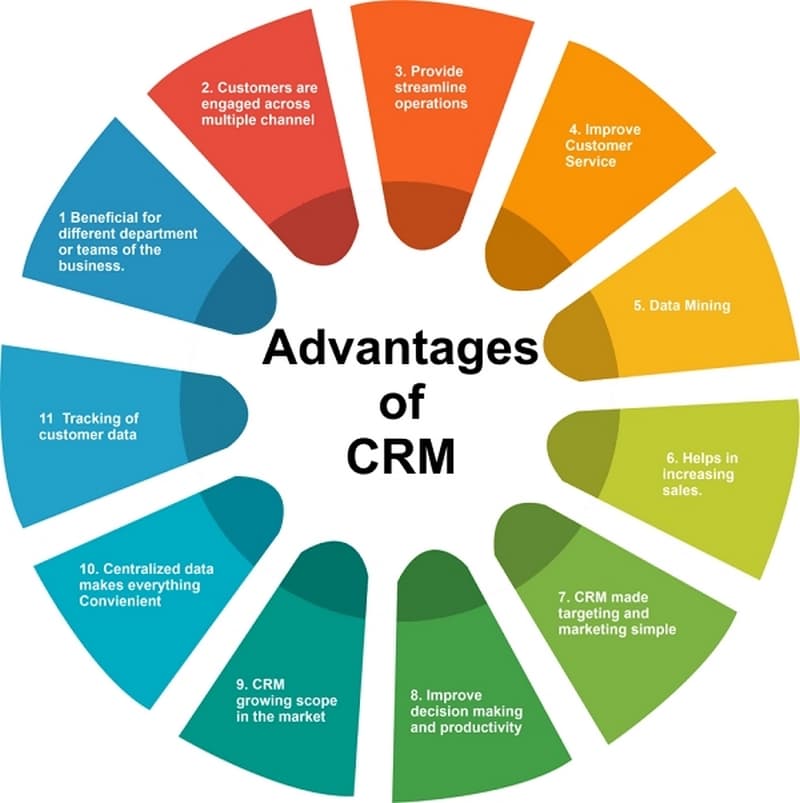
Modern CRM platforms can help businesses:
Manage Customer Communication
Track conversations across multiple channels.
Improve Team Collaboration
Ensure everyone has access to the same customer information.
Monitor Sales Activities
Track opportunities and customer journeys.
Automate Repetitive Tasks
Reduce manual work and improve consistency.
Improve Customer Support
Provide faster and more informed responses.
This broader functionality explains why businesses increasingly look for systems that combine communication, customer support, and workflow management instead of treating them as separate processes.
The evolution of CRM software mirrors many of the principles discussed in Boost Productivity with a Business CRM Platform, where operational efficiency becomes a growth strategy rather than just an administrative improvement.
The Truth
CRM software is no longer just a digital address book.
It’s a business growth tool.
5. CRM Software Won’t Make Much Difference
This may be the most expensive misconception of all.
Many businesses assume their current process is “good enough.”
After all:
- Customers still call
- Sales still happen
- Business continues
But growth often reveals hidden weaknesses.
As customer volumes increase:
- Messages get missed
- Follow-ups become inconsistent
- Customer experiences vary
- Team coordination becomes harder
These challenges may seem small individually.
Together, they create friction that slows growth.
According to Salesforce research, customers increasingly value speed, consistency, and personalization. Businesses that deliver these experiences gain a competitive advantage.
A CRM doesn’t magically solve every business problem.
But it provides the structure needed to manage growth effectively.
This is why many Nigerian businesses are moving toward integrated customer communication systems that combine CRM capabilities with omnichannel support, team collaboration, and workflow management.
Solutions such as Lulichat are part of this growing shift because they help businesses centralize communication while improving visibility across customer interactions.
The Truth
The impact of CRM software isn’t always dramatic overnight.
Instead, it creates small improvements that compound over time.
And those improvements often translate into stronger customer relationships and higher revenue.
What Nigerian Businesses Should Focus on Instead
Rather than asking whether your business needs a CRM, ask these questions:
Do We Miss Customer Messages?
Do We Forget Follow-Ups?
Are Customer Conversations Scattered Across Platforms?
Does Our Team Struggle to Track Customer History?
Are We Spending Too Much Time on Manual Processes?
If you answered “yes” to any of these questions, the conversation is no longer about whether you need a CRM.
It’s about finding the right one.

The right systems help businesses grow without losing control of customer relationships
Misconceptions can be expensive.
For many Nigerian businesses, outdated assumptions about CRM software continue to delay important decisions that could improve customer experience, team productivity, and long-term growth.
CRM software is not just for large companies.
It is not necessarily expensive.
It is not meant to be complicated.
And it certainly isn’t just a contact database.
At its core, a CRM helps businesses build stronger relationships with customers while creating the structure needed for sustainable growth.
As competition continues to increase and customer expectations evolve, businesses that embrace organized customer management will be better positioned to grow than those relying on spreadsheets, memory, and disconnected communication channels.
The question is no longer whether customer management matters.
The question is whether your current process is helping you grow or holding you back.
How does your business currently manage customer relationships?
Do you rely on spreadsheets, WhatsApp chats, notebooks, or a CRM platform?
Share your experience in the comments. Your insight may help another business owner avoid costly mistakes and improve how they manage customers.